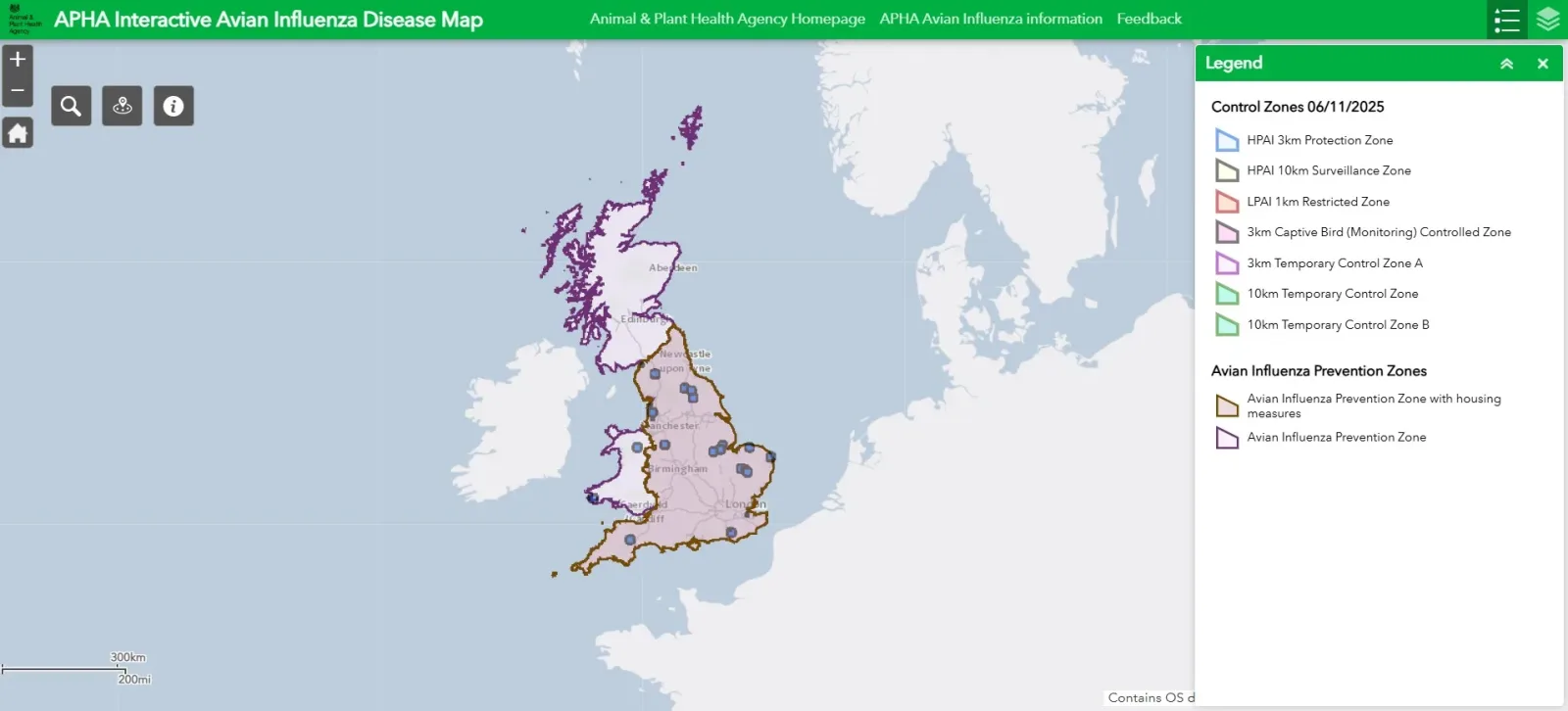
The Confederation brought together delegates and representatives from unions in Ireland, England, Scotland and Wales at its late-March and April meetings; at the April meeting, after many years, all six unions were present as full members. One agenda item in March was the application from the North West Homing Union (NWHU). Delegates noted the sport is shrinking by around 7% per year and said a more united approach would help in communications with bodies such as DEFRA and provide consistency between unions. The NWHU application was approved unanimously and NWHU representative Mr Terry Phifer was welcomed at the 23 April meeting. Governance and rule enforcement featured prominently. Among new rules, Rule 12 was approved, explicitly defining the Confederation's role as the final arbiter in inter-union disputes; this mechanism will be used only after other avenues are exhausted and with documented evidence. Under Rule 12(a) agenda requests must be approved by the chair at least seven days before a meeting, and future rule changes will be handled as Annual General Meeting (AGM) agenda items. Developments in electronic timing systems (ETS) were also discussed. While international FCI approval provides a standard, delegates warned that cloud-based systems offering remote "home evaluation" risk undermining club structure, and that physical verification at club level remains essential for transparency and trust. An assessment of raptor incursions found that changes to the Wildlife and Countryside Act, which prioritize biodiversity, have disadvantaged racing pigeon interests. This strengthened the case for a united voice when negotiating with government and regulatory bodies. Delegates also stressed the need for consistency on discipline and membership transfers; proposals included preventing suspended members from moving between unions, a common suspension register, and rules to ensure debts and disputes are resolved before transfers. It was reported that the UK withdrew its bid to host the 2028 FCI Racing Pigeon Olympics because of UK–EU SPS uncertainties; the earliest opportunity is now considered to be 2032, and concerns were raised about PMV vaccine supply in Ireland. The meetings highlighted a range of challenges affecting the sport while showing that increased inter-union cooperation is a forward-looking step.
SOURCE & EDITORIAL NOTE
This news item was compiled in Turkish and editorially summarised by the Güvercin Yeri Newsroom based on the information in the source content published by RPRA.
View original source →